

Hey there! As a supplier of Powder Coating for Door, I've seen firsthand the importance of proper preparation before powder coating a door. It's not just about slapping on the paint and calling it a day. There are several key steps that can make or break the final result. In this blog, I'll walk you through everything you need to know to get your door ready for a perfect powder coating finish.
Surface Cleaning
The first and most crucial step in powder coating preparation is surface cleaning. You see, any dirt, grease, rust, or old paint on the door's surface can prevent the powder coating from adhering properly. This can lead to peeling, bubbling, or an uneven finish.
To start, you'll want to give the door a good visual inspection. Look for any signs of damage, like dents or scratches. If you find any, you'll need to address them before moving on.
Next, it's time to get rid of the grime. You can use a degreaser to remove any oil or grease. Just spray it on the door, let it sit for a few minutes, and then wipe it off with a clean cloth. For stubborn dirt, you might need to use a scrub brush.
After degreasing, you'll want to rinse the door thoroughly with water. Make sure all the degreaser is removed, as any residue can affect the powder coating. Once the door is clean, let it dry completely. You can use a clean, dry cloth to speed up the process, or just let it air dry.
Surface Preparation
Once the door is clean, it's time to prepare the surface for powder coating. This involves sanding the door to create a rough surface that the powder coating can adhere to. You don't want to sand too much, though, as this can damage the door. A light sanding with a fine-grit sandpaper should do the trick.
Start by sanding the entire surface of the door in a circular motion. This will help to create an even texture. Make sure to sand all the edges and corners, too. After sanding, use a clean cloth to wipe away any dust.
If the door has any bare metal areas, you'll need to apply a primer. A primer helps to protect the metal from rust and provides a better surface for the powder coating to adhere to. There are different types of primers available, so make sure to choose one that's suitable for the type of metal your door is made of.
Masking
Masking is an important step in powder coating preparation. It involves covering any areas of the door that you don't want to be coated. This could include hinges, handles, or any other hardware.
You can use masking tape and paper to cover these areas. Make sure to apply the tape carefully, so it doesn't leave any gaps. You don't want any powder coating to get on the areas you've masked off.
For more complex shapes or small areas, you might want to use masking plugs or caps. These are specially designed to fit into holes or over small parts, providing a tight seal.

Choosing the Right Powder Coating
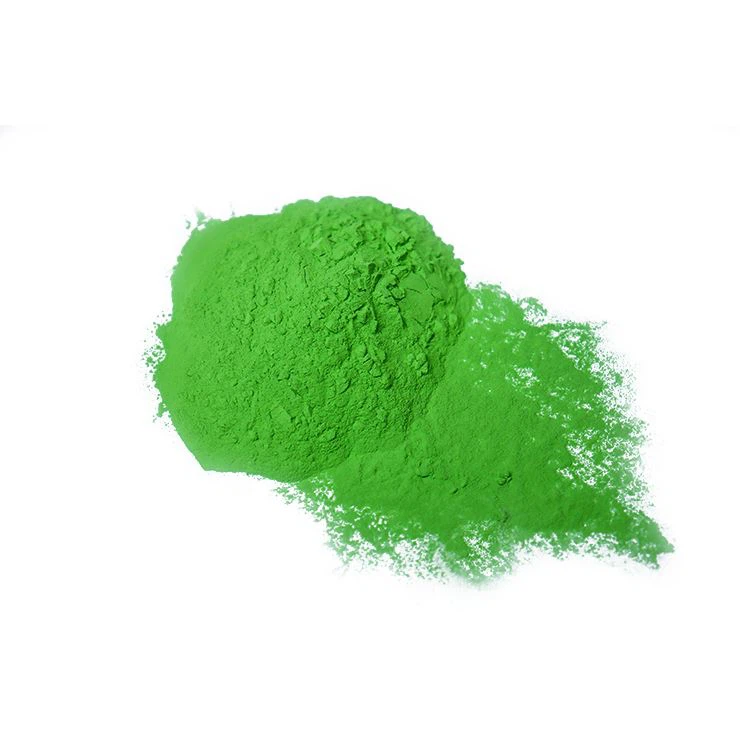
As a supplier, I know that choosing the right powder coating is crucial. There are different types of powder coatings available, each with its own properties and benefits.
One popular option is Super Durable Polyester TGIC Powder Coating. This type of powder coating is known for its excellent durability and resistance to weathering. It's a great choice for exterior doors that are exposed to the elements.
Another option is Neutral Salt Spray Powder Coating. This type of powder coating is designed to resist corrosion, making it ideal for doors in coastal areas or other environments where there's a high risk of salt exposure.
When choosing a powder coating, consider the color, finish, and durability you need. You'll also want to make sure the powder coating is compatible with the type of metal your door is made of.
Equipment and Environment
Having the right equipment is essential for a successful powder coating job. You'll need a powder coating gun, an oven, and a grounding system.
The powder coating gun is used to apply the powder coating to the door. Make sure to choose a gun that's suitable for the type of powder coating you're using.
The oven is used to cure the powder coating. The curing process involves heating the door to a specific temperature for a certain amount of time. This causes the powder coating to melt and form a hard, durable finish.
The grounding system is important because it helps to ensure that the powder coating adheres evenly to the door. Make sure the door is properly grounded before applying the powder coating.
In addition to having the right equipment, you'll also need to work in a clean, dry environment. Any dust or moisture in the air can affect the powder coating. You might want to consider using a spray booth to control the environment.
Quality Control
Before you start powder coating the door, it's a good idea to do a test run. This will help you to make sure the powder coating is applying evenly and that the curing process is working properly.
Take a small piece of scrap metal that's the same type as your door and apply the powder coating to it. Then, cure the scrap metal in the oven according to the manufacturer's instructions.
Once the scrap metal is cured, inspect it carefully. Look for any signs of uneven coating, bubbling, or peeling. If you notice any issues, you'll need to adjust your process before coating the actual door.
Final Thoughts
Preparing a door for powder coating takes time and effort, but it's definitely worth it. By following these steps, you can ensure that your door gets a high-quality, durable powder coating finish.
If you're in the market for Powder Coating for Door, I'd love to help. We offer a wide range of high-quality powder coatings that are suitable for all types of doors. Whether you're a DIY enthusiast or a professional contractor, we've got you covered.
If you have any questions or want to discuss your powder coating needs, don't hesitate to reach out. We're here to help you achieve the perfect finish for your door.
References
- "Powder Coating Technology Handbook"
- Manufacturer's instructions for powder coating products