

Gray color powder coating is a popular choice in various industries due to its versatility, durability, and aesthetic appeal. As a supplier of high-quality gray color powder coating, I've witnessed firsthand the significant impact that powder particle size can have on the final coating quality. In this blog, I'll delve into the science behind powder particle size and its effects on the performance and appearance of gray color powder coating.
Understanding Powder Particle Size
Powder particle size refers to the diameter of individual powder particles in a powder coating. It is typically measured in micrometers (μm). The particle size distribution of a powder coating can vary widely, and it plays a crucial role in determining the coating's application properties, such as flow, leveling, and film build.
In general, powder coatings can be classified into three main categories based on particle size: fine, medium, and coarse. Fine powders have particle sizes typically ranging from 10 to 30 μm, medium powders from 30 to 60 μm, and coarse powders from 60 to 100 μm or more. Each category has its own unique characteristics and is suitable for different applications.
Impact on Coating Appearance
One of the most noticeable effects of powder particle size on gray color powder coating is its impact on the coating's appearance. Fine powders tend to produce smoother, more uniform finishes with fewer visible defects, such as orange peel or pinholes. This is because smaller particles can more easily flow and level during the curing process, resulting in a more even and consistent coating surface.
On the other hand, coarse powders may produce a more textured or matte finish, which can be desirable in some applications. However, they are also more prone to producing visible defects, such as roughness or sags, especially if the application process is not carefully controlled.
In addition to surface finish, powder particle size can also affect the color and gloss of the coating. Fine powders generally provide better color uniformity and higher gloss levels, while coarse powders may result in slightly duller or less consistent colors. This is because smaller particles can more effectively reflect light, enhancing the coating's visual appeal.
Impact on Coating Performance
Powder particle size also has a significant impact on the performance of gray color powder coating. One of the primary performance factors affected by particle size is the coating's adhesion to the substrate. Fine powders typically provide better adhesion due to their larger surface area, which allows them to form stronger bonds with the substrate. This results in a more durable coating that is less likely to peel or chip over time.
Another important performance factor is the coating's corrosion resistance. Neutral Salt Spray Powder Coating is a common test method used to evaluate the corrosion resistance of powder coatings. Fine powders tend to provide better corrosion protection because they can form a more continuous and impermeable film on the substrate, preventing moisture and other corrosive agents from reaching the metal surface.
In addition to adhesion and corrosion resistance, powder particle size can also affect the coating's mechanical properties, such as hardness, flexibility, and impact resistance. Fine powders generally produce harder and more brittle coatings, while coarse powders may result in coatings that are more flexible and resistant to impact. The choice of particle size will depend on the specific requirements of the application, such as the type of substrate, the environment in which the coating will be exposed, and the desired level of performance.
Impact on Application Process
The powder particle size also plays a crucial role in the application process of gray color powder coating. Fine powders are generally more difficult to apply than coarse powders because they are more prone to agglomeration and electrostatic charging. This can result in uneven powder distribution and poor coverage, especially if the application equipment is not properly adjusted.
On the other hand, coarse powders are easier to apply and can provide better powder transfer efficiency, which means less waste and lower costs. However, they may require higher application voltages and more careful control of the spraying parameters to ensure proper adhesion and coverage.
In addition to the application equipment, the particle size can also affect the curing process of the powder coating. Fine powders typically require lower curing temperatures and shorter curing times than coarse powders because they have a larger surface area and can more easily absorb heat. This can result in energy savings and faster production cycles.
Choosing the Right Particle Size
As a gray color powder coating supplier, I understand that choosing the right particle size is crucial to achieving the desired coating quality and performance. The choice of particle size will depend on a variety of factors, including the application method, the substrate material, the desired finish, and the specific performance requirements of the coating.
For applications that require a smooth, high-gloss finish, such as automotive parts or consumer electronics, fine powders are generally the preferred choice. They can provide excellent color uniformity, gloss, and surface smoothness, as well as good adhesion and corrosion resistance.
For applications that require a more textured or matte finish, such as architectural components or industrial equipment, coarse powders may be more suitable. They can provide a rugged, durable appearance and better resistance to impact and abrasion.
For applications that require a balance between appearance and performance, such as outdoor furniture or sporting goods, medium powders are often a good choice. They can provide a smooth finish with good adhesion and corrosion resistance, as well as reasonable powder transfer efficiency and application ease.
Conclusion
In conclusion, powder particle size has a significant impact on the quality and performance of gray color powder coating. By understanding the effects of particle size on coating appearance, performance, and application process, you can choose the right powder for your specific application and achieve the desired results.

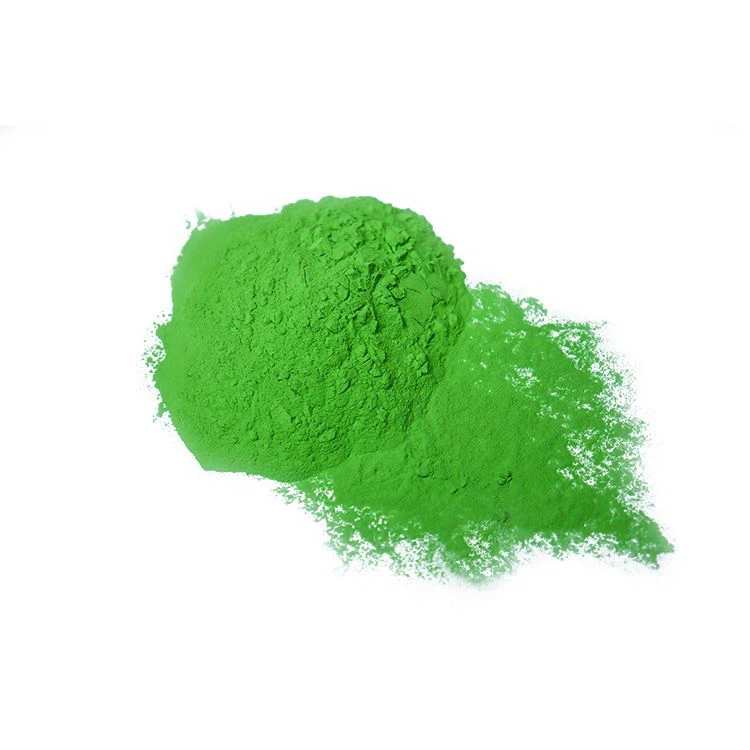
At our company, we offer a wide range of Powdura Polyester TGIC Powder Coating with different particle sizes to meet the diverse needs of our customers. Whether you need a fine powder for a high-gloss finish or a coarse powder for a textured appearance, our team of experts can help you select the right product and provide you with the technical support you need to ensure a successful coating application.
If you're interested in learning more about our gray color powder coating or discussing your specific requirements, please don't hesitate to contact us. We look forward to working with you to achieve the best possible coating results for your products.
References
- "Powder Coating Technology," by P. A. Schweitzer
- "The Science of Powder Coating," by John W. Dini
- "Powder Coating Application and Curing," by R. D. Deanin