

Hey there! As a supplier of epoxy powder coatings, I often get asked about the curing process of these coatings. It's a crucial step that can significantly impact the final quality and performance of the coated product. So, let's dive right in and explore what the curing process of epoxy powder coatings is all about.
What Are Epoxy Powder Coatings?
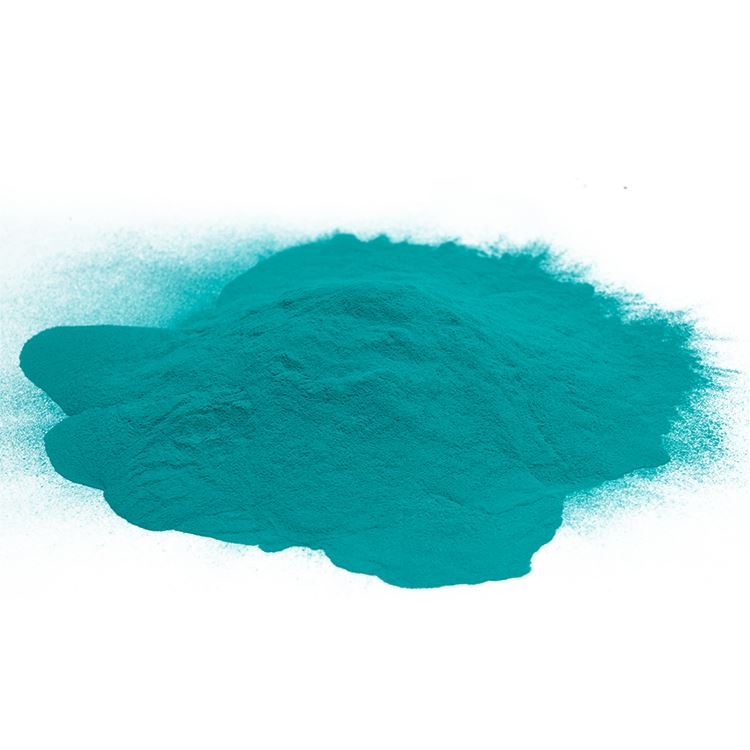
Before we talk about curing, let's quickly touch on what epoxy powder coatings are. Epoxy powder coatings are a type of protective and decorative finish that comes in a dry, powder form. They're made up of a mixture of resin, pigments, and other additives. These coatings are popular because they offer excellent adhesion, corrosion resistance, and durability. They're used in a wide range of applications, from automotive parts to household appliances and industrial equipment.
There are different types of epoxy powder coatings available in the market. For instance, Modified Epoxy Powder Coatings are designed to have enhanced properties, such as better flexibility or chemical resistance. Epoxy Polyester Hybrid Powder Coating combines the best of both epoxy and polyester resins, offering a balance between the toughness of epoxy and the outdoor durability of polyester. And Starlight Powder Coating is known for its unique aesthetic appeal, giving a shiny, star - like finish.
The Basics of the Curing Process
The curing process of epoxy powder coatings is essentially a chemical reaction that transforms the dry powder into a hard, protective film on the surface of the substrate. This reaction is usually triggered by heat, although there are also some UV - curable epoxy powder coatings available.
When the powder is applied to the substrate, it's in a loose, dry state. To start the curing process, the coated substrate is placed in an oven or exposed to a heat source. As the temperature rises, the powder particles begin to melt and flow together. This is called the "flow stage." During this stage, the powder forms a smooth, continuous layer on the surface of the substrate.
As the temperature continues to increase, the chemical reaction between the resin and the hardener (or cross - linker) in the powder coating starts to take place. This reaction is called "cross - linking." Cross - linking is what gives the coating its strength, hardness, and other desirable properties. Once the cross - linking is complete, the coating has cured, and it forms a tough, durable finish on the substrate.
Factors Affecting the Curing Process
Temperature
Temperature is one of the most critical factors in the curing process. Different epoxy powder coatings have different recommended curing temperatures. If the temperature is too low, the cross - linking reaction may not occur properly, resulting in a coating that is soft, sticky, and has poor adhesion. On the other hand, if the temperature is too high, it can cause the coating to over - cure, which can lead to brittleness, discoloration, and reduced flexibility.
Most epoxy powder coatings require a curing temperature in the range of 180 - 220°C (356 - 428°F). However, some special formulations may have different temperature requirements. It's essential to follow the manufacturer's instructions regarding the curing temperature to ensure the best results.
Time
The curing time is also crucial. It depends on the type of coating, the thickness of the coating, and the curing temperature. Generally, the higher the temperature, the shorter the curing time. But it's important not to rush the process. Insufficient curing time can lead to incomplete cross - linking, which will affect the performance of the coating.
For example, a thin coating of a standard epoxy powder coating may cure in 10 - 20 minutes at the recommended temperature, while a thicker coating may require 20 - 30 minutes or more.
Substrate Material
The type of substrate material can also affect the curing process. Different materials have different heat transfer properties. For example, metals are good conductors of heat, so they heat up quickly and can transfer heat to the coating efficiently. This means that the curing process may be faster on metal substrates compared to non - metallic substrates like plastics or composites.
Some substrates may also react with the coating during the curing process. For example, certain metals may release gases or react with the resin in the coating, which can affect the quality of the finish. It's important to choose the right type of epoxy powder coating for the substrate material and to properly prepare the substrate before coating.
Coating Thickness
The thickness of the coating can impact the curing process. A thicker coating will take longer to cure because it takes more time for the heat to penetrate through the entire thickness of the coating and for the cross - linking reaction to occur throughout the coating.
If the coating is too thick, it may also be more prone to problems such as pinholes, bubbles, or uneven curing. On the other hand, if the coating is too thin, it may not provide adequate protection and durability.
The Curing Equipment
Ovens
The most common equipment used for curing epoxy powder coatings is an oven. There are different types of ovens available, such as batch ovens and conveyor ovens.
Batch ovens are suitable for small - scale production or for coating large, irregularly shaped parts. They allow you to cure a limited number of parts at a time. You load the coated parts into the oven, set the temperature and time, and wait for the curing process to complete.
Conveyor ovens, on the other hand, are used for high - volume production. The coated parts are placed on a conveyor belt and passed through the oven at a controlled speed. This allows for continuous production and can be more efficient in terms of time and energy.
Infrared Curing
Infrared curing is another option for curing epoxy powder coatings. Infrared radiation heats the coated substrate directly, rather than heating the air in the oven. This can result in faster curing times and more energy - efficient operation. Infrared curing is especially useful for curing large parts or parts with complex shapes, as it can provide more uniform heating.

Quality Control During the Curing Process
To ensure that the epoxy powder coatings are cured properly, it's important to have a quality control system in place. This can include monitoring the temperature and time during the curing process, as well as inspecting the cured coatings for defects.
One way to check the curing quality is to perform a simple adhesion test. This can be done by using a cross - hatch test or a tape test. In a cross - hatch test, a grid of cuts is made in the coating, and then a piece of tape is applied over the grid and pulled off. If the coating adheres well to the substrate, only a small amount of coating should come off with the tape.
Another test is the hardness test. This can be done using a pencil hardness test or a more advanced hardness testing instrument. A properly cured coating should have the appropriate hardness as specified by the manufacturer.
Benefits of a Properly Cured Epoxy Powder Coating
A properly cured epoxy powder coating offers many benefits. Firstly, it provides excellent corrosion resistance. This is especially important for applications in harsh environments, such as outdoor structures or industrial equipment. The cross - linked structure of the coating acts as a barrier, preventing moisture, chemicals, and other corrosive agents from reaching the substrate.
Secondly, a cured epoxy powder coating has good mechanical properties. It is hard, scratch - resistant, and has high impact strength. This makes it suitable for applications where the coated surface may be subject to wear and tear, such as automotive parts or machinery.
Finally, epoxy powder coatings offer a wide range of aesthetic options. They can be formulated to have different colors, textures, and finishes, from smooth and glossy to matte and textured. This allows for customization and can enhance the appearance of the coated product.
Conclusion
The curing process of epoxy powder coatings is a complex but crucial step in achieving a high - quality, durable finish. By understanding the factors that affect the curing process, such as temperature, time, substrate material, and coating thickness, and by following the manufacturer's instructions, you can ensure that the coatings are cured properly.
If you're in the market for epoxy powder coatings, whether it's Modified Epoxy Powder Coatings, Epoxy Polyester Hybrid Powder Coating, or Starlight Powder Coating, we're here to help. We can provide you with high - quality products and expert advice on the curing process. If you're interested in purchasing our epoxy powder coatings or have any questions, feel free to reach out to us for a detailed discussion. We look forward to working with you!
References
- "Powder Coating Technology" by P. Oldring
- "Epoxy Resins: Chemistry and Technology" by C. A. May and Y. Tanaka