

As a supplier specializing in powder coating for doors, I've often been asked whether powder coating can improve energy efficiency. This question is not only relevant to environmental concerns but also to cost - savings for homeowners and businesses. In this blog, I'll explore the relationship between powder coating for doors and energy efficiency, backed by scientific knowledge and industry experience.
Understanding Powder Coating
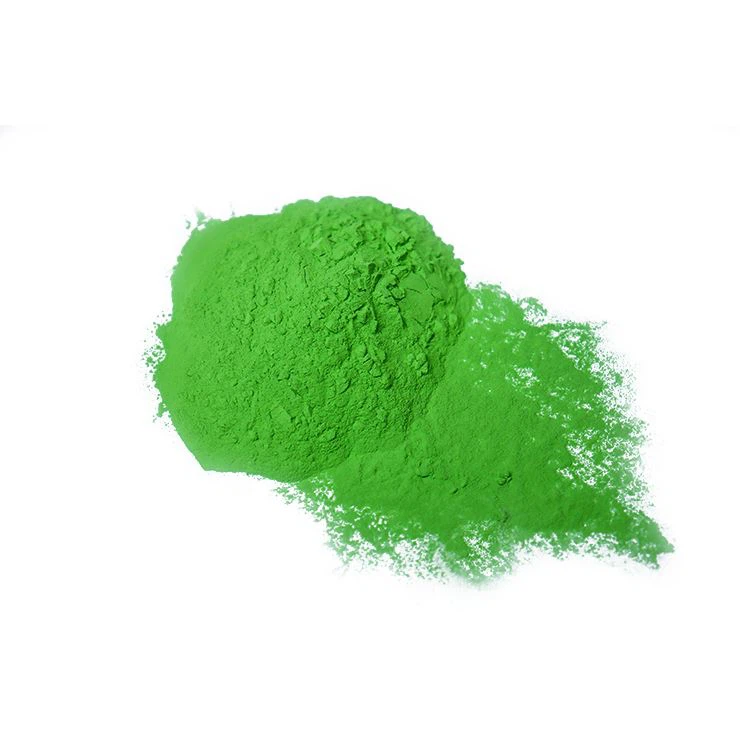
Powder coating is a type of coating that is applied as a free - flowing, dry powder. Unlike traditional liquid paint, which contains solvents, powder coating is typically applied electrostatically and then cured under heat to form a hard finish. The process offers a durable, attractive, and environmentally friendly alternative to liquid coatings.
For doors, powder coating provides several benefits. It enhances the aesthetic appeal of the door, offering a wide range of colors and finishes. It also protects the door from scratches, chips, and corrosion, extending its lifespan. But can it contribute to energy efficiency?
The Science Behind Energy Efficiency in Doors
Energy efficiency in doors is mainly about reducing heat transfer. Heat can transfer through a door in three ways: conduction, convection, and radiation. Conduction occurs when heat moves through the material of the door itself. Convection involves the movement of heat through air currents, either inside or outside the door. Radiation is the transfer of heat through electromagnetic waves.
A well - insulated door can minimize these heat transfer mechanisms. Insulation materials such as foam cores can help reduce conduction. Seals around the door frame can prevent air leakage, reducing convection. And reflective surfaces can block radiant heat transfer.
How Powder Coating Affects Energy Efficiency
Reflectivity and Radiation Heat Transfer
Some powder coatings can be formulated to have high reflectivity. When a door is coated with a reflective powder coating, it can reflect a significant amount of solar radiation. This is particularly important for exterior doors that are exposed to direct sunlight. By reflecting solar heat, the door prevents the heat from entering the building, reducing the need for air - conditioning during hot weather.
For example, Super Durable Polyester TGIC Powder Coating can be engineered to have high solar reflectance values. This type of coating can bounce back a large portion of the sun's rays, keeping the interior of the building cooler and reducing the energy consumption of cooling systems.
Surface Integrity and Conduction
Powder coating forms a continuous and uniform layer on the surface of the door. This layer can act as a barrier, reducing the rate of heat conduction through the door material. A well - applied powder coating fills in any small pores or gaps in the door surface, which might otherwise allow heat to transfer more easily.
In addition, the durability of powder coating means that it can maintain its integrity over time. Unlike some traditional paints that may chip or peel, powder coating stays intact, providing long - term protection against heat conduction. For instance, Neutral Salt Spray Powder Coating offers excellent corrosion resistance, ensuring that the coating remains effective in reducing heat transfer even in harsh environmental conditions.
Air Sealing and Convection
While powder coating itself does not directly seal the gaps around a door, it can contribute to the overall air - tightness of the door system. A powder - coated door is less likely to warp or deform due to its enhanced durability. Warping can create gaps around the door, allowing air to leak in and out, which increases convection heat transfer.
By maintaining the shape and integrity of the door, powder coating helps the door fit more snugly into its frame. This, combined with proper weatherstripping, can significantly reduce air leakage and the associated convection heat transfer.
Case Studies and Research Findings
Several studies have shown the positive impact of powder coating on energy efficiency. In a research project conducted on commercial buildings, doors with reflective powder coatings were found to reduce the cooling load by up to 15% compared to non - coated doors. The study also noted that over a period of several years, the energy savings translated into substantial cost savings for the building owners.
In a residential setting, homeowners reported lower energy bills after replacing their old, non - coated doors with powder - coated ones. The improved insulation and reduced heat transfer led to less reliance on heating and cooling systems, resulting in more efficient energy use.
Other Related Applications of Powder Coating
Powder coating is not only limited to doors. It also has applications in window coating. Powder Coating for Window can offer similar energy - saving benefits. Windows are another major source of heat transfer in a building. By applying powder coating to window frames, we can enhance their durability, reduce heat conduction, and improve the overall energy efficiency of the building envelope.

Conclusion
In conclusion, powder coating for doors can indeed improve energy efficiency. Through its effects on reflectivity, surface integrity, and air sealing, powder coating can reduce heat transfer through radiation, conduction, and convection. This leads to lower energy consumption for heating and cooling, which is beneficial for both the environment and the bottom line of building owners.
If you're interested in exploring how our powder coating solutions can enhance the energy efficiency of your doors, I encourage you to reach out for a consultation. We can provide customized powder coating options based on your specific needs and the environmental conditions of your location. Whether you're a homeowner looking to upgrade your front door or a commercial builder in need of energy - efficient solutions, our team is ready to assist you. Contact us today to start the conversation about improving your building's energy efficiency with our high - quality powder coating for doors.
References
- "Energy - Efficient Building Envelope Design" by the American Society of Heating, Refrigerating and Air - Conditioning Engineers (ASHRAE).
- Research reports on the energy performance of powder - coated building components from industry research institutions.
- Case studies published by building owners and contractors on the energy savings achieved with powder - coated doors.