

Epoxy powder coating paint is a popular choice for various applications due to its durability, corrosion resistance, and aesthetic appeal. However, one question that often arises is whether epoxy powder coating paint can be used on plastic. As a supplier of epoxy powder coating paint, I am often asked this question, and in this blog post, I will explore the possibilities and limitations of using epoxy powder coating on plastic.
Understanding Epoxy Powder Coating
Epoxy powder coating is a type of Thermosetting Powder Coating that is applied electrostatically to a surface and then cured under heat. This process creates a hard, durable finish that is resistant to scratches, chemicals, and weathering. Epoxy powder coatings are commonly used on metal surfaces, such as automotive parts, appliances, and furniture, but they can also be used on other materials with the right preparation.
Challenges of Coating Plastic with Epoxy Powder
Plastic is a diverse group of materials with different properties, such as melting point, surface energy, and flexibility. These properties can pose challenges when using epoxy powder coating.

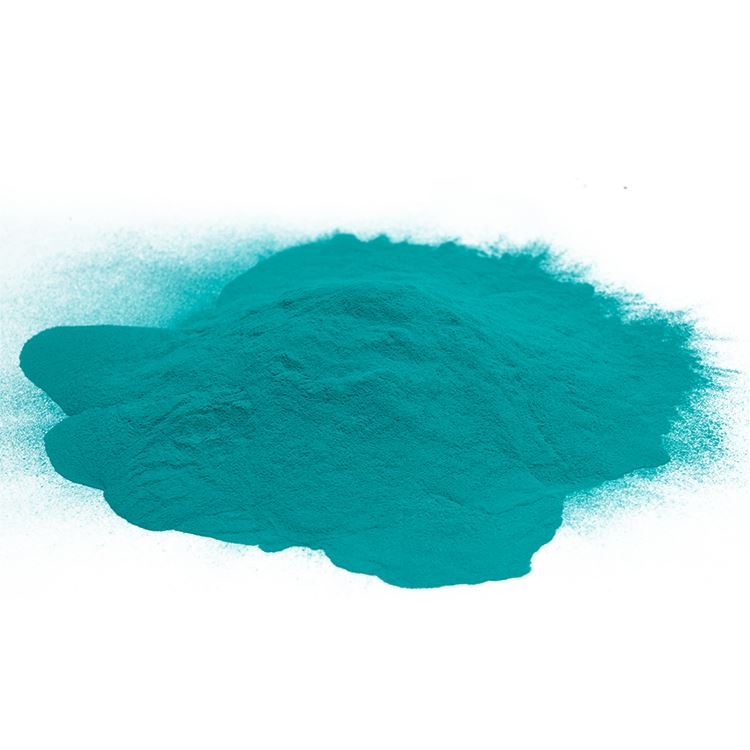
One of the main challenges is the difference in thermal expansion between plastic and the epoxy coating. During the curing process, the epoxy powder is heated to a high temperature to melt and flow onto the surface. If the plastic has a low melting point or a high coefficient of thermal expansion, it may warp, deform, or even melt under the heat.
Another challenge is the surface energy of plastic. Epoxy powder coatings rely on electrostatic attraction to adhere to the surface. Plastics often have low surface energy, which means they do not hold an electrostatic charge well. This can result in poor adhesion between the coating and the plastic surface.
Types of Plastic Suitable for Epoxy Powder Coating
Not all plastics are suitable for epoxy powder coating. Some plastics with high melting points and good heat resistance are more likely to withstand the curing process. For example, engineering plastics such as polycarbonate (PC), acrylonitrile butadiene styrene (ABS), and polyamide (PA) can be considered for epoxy powder coating.
Polycarbonate is known for its high impact resistance and transparency. It has a relatively high melting point, which allows it to tolerate the heat during the powder coating curing process. ABS is a common thermoplastic with good mechanical properties and surface finish. It can also be successfully coated with epoxy powder if the proper preparation steps are taken. Polyamide, or nylon, is a strong and lightweight plastic that can withstand high temperatures and has good chemical resistance, making it a potential candidate for epoxy powder coating.
Surface Preparation for Plastic
Proper surface preparation is crucial when coating plastic with epoxy powder. The goal is to increase the surface energy of the plastic and create a rough surface for better adhesion.
One common method is chemical treatment. This involves using solvents or chemical etchants to clean the plastic surface and remove any contaminants, such as oils, greases, or mold release agents. Chemical treatment can also modify the surface chemistry of the plastic to increase its surface energy.
Another method is mechanical abrasion. Sanding or blasting the plastic surface can create a rough texture, which provides more surface area for the epoxy powder to adhere to. However, care must be taken not to damage the plastic during the abrasion process.
Coating Process
Once the plastic surface is properly prepared, the epoxy powder coating can be applied. The powder is usually applied using an electrostatic spray gun, which charges the powder particles and allows them to be attracted to the grounded plastic surface.
After the powder is applied, the coated plastic is placed in an oven for curing. The curing temperature and time depend on the type of epoxy powder coating and the plastic substrate. It is important to carefully control the curing process to avoid overheating the plastic.
Advantages of Coating Plastic with Epoxy Powder
When successfully applied, epoxy powder coating on plastic offers several advantages.
First, it can improve the durability of the plastic. The epoxy coating provides a protective layer that can resist scratches, abrasion, and chemical exposure. This can extend the lifespan of the plastic product and reduce the need for frequent replacement.
Second, epoxy powder coating can enhance the aesthetic appeal of the plastic. It comes in a wide range of colors and finishes, allowing for customization and a more professional look.
Third, the coating can improve the chemical resistance of the plastic. This is particularly useful in applications where the plastic is exposed to harsh chemicals or environmental conditions.
Applications of Epoxy Powder Coated Plastic
Epoxy powder coated plastic has various applications in different industries. In the automotive industry, it can be used for interior and exterior plastic parts, such as dashboard components, door handles, and trim pieces. The coating provides a durable and attractive finish that can withstand the rigors of daily use.
In the electronics industry, epoxy powder coated plastic can be used for enclosures and housings. The coating can protect the electronic components from dust, moisture, and static electricity, while also providing a sleek appearance.
In the furniture industry, plastic chairs, tables, and cabinets can be coated with epoxy powder to improve their durability and aesthetic appeal. The coating can mimic the look of more expensive materials, such as wood or metal.
Modified Epoxy Powder Coatings for Plastic
To address the challenges of coating plastic with epoxy powder, Modified Epoxy Powder Coatings have been developed. These coatings are formulated with special additives and resins to improve adhesion, flexibility, and heat resistance.
Modified epoxy powder coatings can have a lower curing temperature, which reduces the risk of damaging the plastic. They also have better adhesion properties, which can overcome the low surface energy of plastic. Additionally, these coatings can be more flexible, which helps to accommodate the thermal expansion and contraction of the plastic.
Outdoor Applications with Epoxy Polyester Powder Coating
For outdoor applications, Epoxy Polyester Powder Coating Outdoor can be a suitable choice. This type of coating combines the advantages of epoxy and polyester resins, providing excellent weather resistance, UV resistance, and corrosion resistance.
When used on plastic, epoxy polyester powder coating can protect the plastic from fading, cracking, and chalking due to exposure to sunlight, rain, and other environmental factors. It is commonly used for outdoor furniture, playground equipment, and architectural plastic components.
Conclusion
In conclusion, epoxy powder coating paint can be used on plastic, but it requires careful consideration of the plastic type, proper surface preparation, and appropriate coating and curing processes. With the right approach, epoxy powder coating can offer many benefits to plastic products, including improved durability, aesthetic appeal, and chemical resistance.
If you are interested in using epoxy powder coating for your plastic products, I encourage you to contact us for more information. Our team of experts can provide you with detailed guidance on the suitability of your plastic material, surface preparation methods, and the best epoxy powder coating options for your specific application. We are committed to helping you achieve high - quality coating results and look forward to discussing your requirements and starting a successful partnership.
References
- "Powder Coating Technology" by P. H. Matthews
- "Plastics Engineering Handbook" by Carl A. Harper
- Industry research reports on powder coating and plastic materials.